
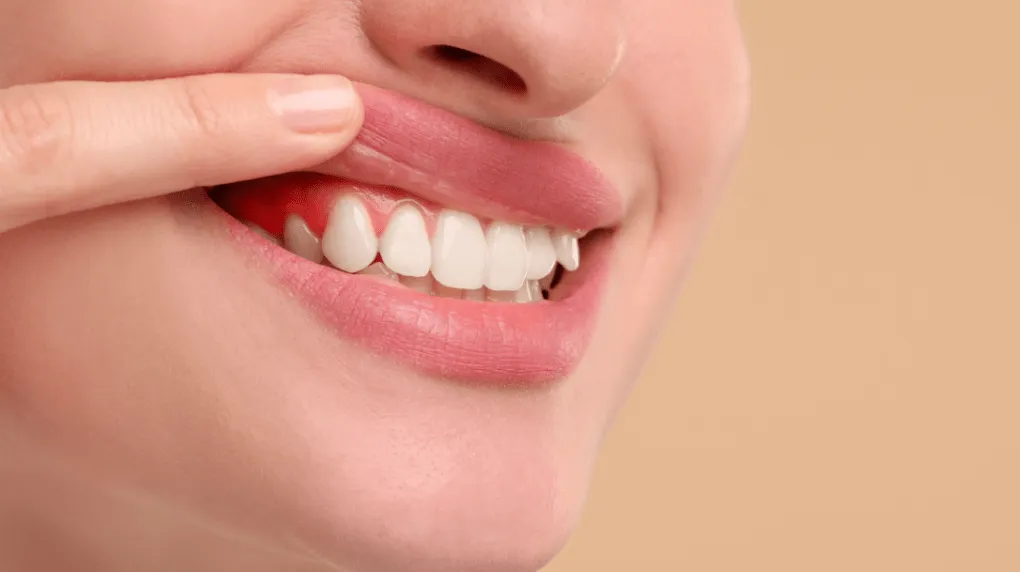
Many patients notice the same thing every year: as temperatures drop, their gums feel more sensitive, look redder, and bleed more easily when brushing or flossing. At Isaacs Family Dental, we see an apparent rise in gum concerns from December through February, even among people who never struggle with these issues in warmer months. Dry indoor heat, cold air, holiday stress, and changing routines create the perfect environment for irritation to develop quietly.
Winter gum bleeding is more than a seasonal inconvenience. When inflammation is left alone, it can lead to discomfort, embarrassment, and the early stages of gum disease. Taking action early helps your gums stay comfortable and resilient through the winter, rather than becoming more sensitive as the season progresses.
With just a few targeted habits and timely care, winter irritation can settle quickly. Understanding how the colder months affect your gumline helps you prevent problems before they escalate. A national CDC study found that "47% of adults show signs of gum disease," and seasonal inflammation is often one of the first warning signs. Knowing what's happening inside your mouth gives you the chance to respond before symptoms worsen.
Cold Weather, Sore Gums: What's Really Going On
Several winter-specific factors make gums more sensitive and prone to bleeding. Here are the most common contributors.
Dry Indoor Air
Heaters and dry winter air reduce moisture in your mouth, leading to dehydration of the gum tissue. When gums are dry, they crack more easily and become vulnerable to bacteria along the gumline.
Seasonal Dehydration
Most people drink less water in the winter compared to summer. Without sufficient hydration, saliva production decreases, weakening your mouth's natural cleansing system.
Holiday Sugar and Starch
From peppermint treats to hot cocoa and baked goods, the holidays introduce far more sugar than usual. Sticky sweets cling to the gumline, increasing irritation and inflammation.
Inconsistent Oral Care
Travel, late nights, busy schedules, and changes in routine lead many people to skip flossing or rush through brushing. Plaque builds quickly in winter, triggering gum bleeding within days.
Lowered Immunity
Winter colds and seasonal illnesses tax the immune system. When your body is fighting something else, your gums lose some of the support needed to stay healthy and resilient.
Mouth Breathing
Cold weather makes many people breathe more through their mouths, especially outdoors or during sleep. This dries gum tissue and makes it more fragile.
When these factors overlap, winter gum bleeding becomes even more noticeable and is much more likely to progress to gingivitis if left untreated.
Bleeding Gums in Winter? Here's the Risk You're Missing
Occasional bleeding may seem harmless, but persistent winter gum bleeding is often the first warning sign of gingivitis. When inflammation begins in winter and goes untreated, it can progress into early gum disease by spring.
Early signs to watch for include:
- Gums that bleed during brushing or flossing
- Red, puffy, or swollen gum tissue
- Tenderness or sensitivity
- Bad breath
- Gum recession starting at the front teeth
- A "metallic" taste in the mouth
Because many people delay dental visits until after the holidays, winter gum inflammation often worsens for weeks or even months before treatment.
The benefit of addressing it early is simple: you protect your gum health, prevent bone loss, and stop minor problems before they become painful or expensive.
Your gums heal quickly when inflammation is caught early, which is why winter is an ideal time to prioritize hygiene visits, deep cleanings if needed, and targeted gum-care treatments.
How to Reduce Gum Bleeding During Winter
You can take several steps at home to minimize irritation and keep your gums healthy throughout the colder months.
Stay Hydrated
Sip water regularly to maintain saliva flow and moisture along the gumline. Herbal teas and warm water count, too.
Use a Humidifier at Night
Adding moisture to the air prevents your mouth and gums from drying out while you sleep, one of the biggest triggers for winter gum bleeding.
Brush Gently With a Soft-Bristle Brush
Hard brushing damages already-sensitive gums. A soft or extra-soft brush protects the tissue while still removing plaque.
Floss Daily
Skipping flossing is one of the fastest ways to worsen winter inflammation. Even gentle flossing helps reduce bleeding after just a week.
Limit Sugary and Sticky Holiday Foods
Caramels, dried fruit, cookies, and candy canes cling to gums and feed bacteria. Rinse with water after enjoying sweets.
Strengthen Your Oral Care Routine
Add an antimicrobial or alcohol-free mouth rinse to calm inflammation, or choose a toothpaste designed for gum health.
Avoid Over-Brushing
Brushing too hard or too frequently irritates the gumline and causes more bleeding.
These habits support healing, but they don't replace professional care, especially if bleeding persists.
When Winter Gum Bleeding Requires a Dental Visit
Some symptoms are signs that your gums need more than at-home care.
Schedule a professional evaluation if you experience:
- Bleeding lasting longer than two weeks
- Red or swollen gums
- Bad breath that doesn't go away
- Gum recession or sensitivity
- Pain when chewing
- Visible plaque near the gumline
- Loose teeth
These are early indicators of gingivitis or gum disease, both of which are treatable when addressed promptly. A routine cleaning or deep cleaning (scaling and root planing) often resolves the issue quickly.
At Isaacs Family Dental, we tailor gum-health treatments to the severity of inflammation, ensuring comfort and long-lasting results. Winter is an ideal time to schedule these visits to prevent advanced gum disease later in the year.
Professional Treatments That Help Prevent Gum Disease
If winter gum bleeding continues, your dentist may recommend:
- A professional hygiene cleaning
- Scaling and root planing (deep cleaning)
- Antibacterial irrigation
- Localized antibiotic therapy
- Fluoride varnish
- Customized gum-health homecare plans
These treatments remove the plaque and bacteria contributing to swelling and bleeding. Most patients notice improvement within days.
Give Your Gums the Care They Need This Winter
Winter gum bleeding isn't something to brush off; it's your body telling you your gums need support. With early attention, better hydration, and a stronger hygiene routine, you can keep your gums healthy all season long and prevent more serious issues from developing.
At Isaacs Family Dental, we help patients protect their gums through personalized care, preventive cleanings, and treatment plans tailored to winter-specific concerns.