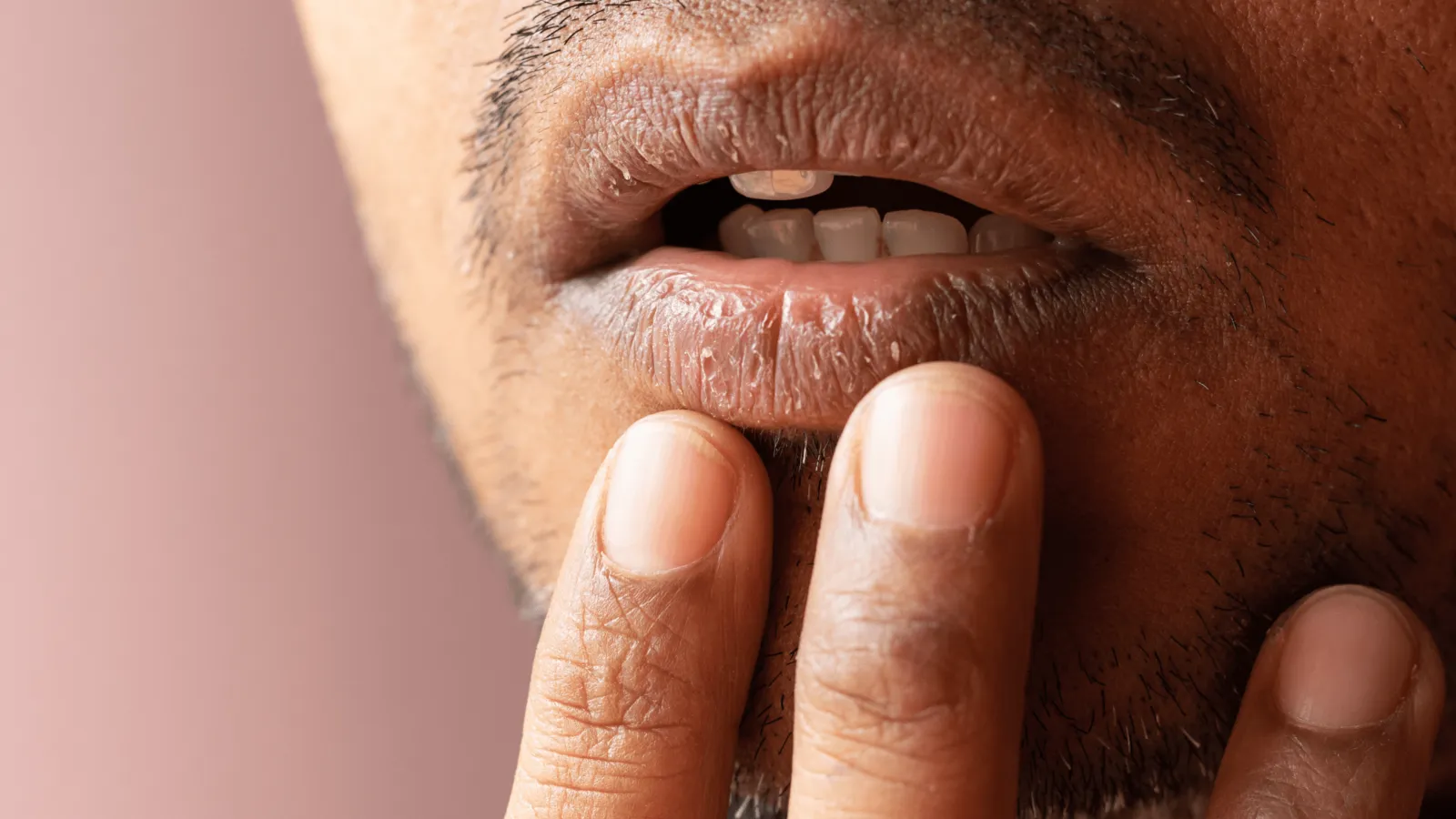
Winter brings cozy sweaters, warm drinks, and indoor comfort, but it also introduces an often-overlooked oral health issue: dry mouth. Many people notice their mouth feels sticky, uncomfortable, or parched during colder months, especially overnight. At Isaacs Family Dental, winter dry mouth is one of the most common complaints we hear, even from patients with otherwise excellent oral hygiene.
Dry mouth in winter isn't just uncomfortable. It increases the risk of cavities, worsens bad breath, irritates gums, and can disrupt sleep. Understanding why it happens and how to manage it helps protect your oral health and overall comfort throughout the season.
What Causes Dry Mouth in Winter?
Dry mouth, clinically known as xerostomia, occurs when saliva production decreases. Saliva plays a critical role in protecting teeth and gums, neutralizing acids, washing away food particles, and maintaining oral comfort.
Winter creates the perfect environment for saliva reduction due to several overlapping factors.
Indoor Heating Dries the Air
Furnaces, space heaters, and central heating systems strip moisture from indoor air. When the air is dry, moisture evaporates more quickly from oral tissues, leaving your mouth feeling parched, especially overnight.
Cold Weather Encourages Mouth Breathing
Cold outdoor air and nasal congestion from seasonal illnesses often lead to mouth breathing, particularly during sleep. Mouth breathing accelerates moisture loss and significantly worsens winter dry mouth.
Reduced Water Intake
People tend to drink less water in winter than in warmer months. Fewer water breaks mean less hydration and reduced saliva flow.
Increased Caffeine and Alcohol
Coffee, tea, and holiday drinks are comforting in winter, but both caffeine and alcohol are dehydrating, and frequent sipping throughout the day can compound dryness.
Seasonal Illness and Medications
Cold, flu, and allergy medications, including decongestants and antihistamines, commonly list dry mouth as a side effect.
Why Dry Mouth in Winter Matters More than You Think
Dry mouth isn't just a nuisance. It affects nearly every aspect of oral health.
Higher Risk of Cavities
Saliva neutralizes acids and protects enamel. When saliva decreases, acids from food and bacteria remain on teeth longer, increasing the risk of decay. Patients with winter dry mouth often develop cavities even when brushing habits haven't changed.
Worsening Bad Breath
Without adequate saliva, bacteria multiply more easily. This leads to persistent bad breath that mouthwash alone can't fix.
Gum Irritation and Inflammation
Dry tissues are more prone to irritation, redness, and inflammation along the gumline, increasing the risk of gingivitis.
Increased Tooth Sensitivity
Dry mouth exposes enamel and roots to acids, often triggering new sensitivity to hot, cold, or sweet foods.
Disrupted Sleep Comfort
Dry mouth at night can lead to frequent waking, a sore throat, burning sensations, and morning discomfort. Poor sleep quality affects energy, focus, and overall wellness.
Signs You May Be Experiencing Winter Dry Mouth
Many people don't recognize dry mouth until symptoms worsen. Common signs include:
- Sticky or dry feeling in the mouth
- Difficulty swallowing or speaking comfortably
- Cracked lips or corners of the mouth
- Bad breath that persists despite brushing
- Sore throat in the morning
- Increased cavities or sensitivity
- Tongue discomfort or a burning sensation
If these symptoms appear primarily in colder months, winter conditions are likely contributing.
How to Relieve Dry Mouth During Winter
The good news is that winter dry mouth is manageable with targeted habits and professional guidance.
Stay Consistently Hydrated
Sip water throughout the day, not just with meals. Warm water and herbal teas also help maintain moisture.
Use a Humidifier at Night
Adding moisture to the air while you sleep significantly reduces overnight dryness and improves comfort.
Limit Dehydrating Drinks
Balance coffee, tea, and alcohol with water. Avoid sipping sugary or caffeinated drinks for long periods.
Choose Sugar-Free Xylitol Products
Xylitol gum or lozenges stimulate saliva production and help neutralize acids.
Switch to Alcohol-Free Oral Products
Alcohol-based mouthwashes worsen dryness. Choose alcohol-free rinses designed for dry mouth relief.
Breathe Through Your Nose When Possible
Address congestion early and use saline sprays if needed to reduce mouth breathing.
When Dry Mouth Requires Professional Care
Occasional dryness is common in winter, but persistent symptoms deserve attention. You should schedule a dental visit if:
- Dry mouth lasts longer than a few weeks
- You notice increased cavities or sensitivity
- Bad breath doesn't improve
- Gums feel sore or inflamed
- Sleep is consistently disrupted
At Isaacs Family Dental, we evaluate the cause of dry mouth and recommend targeted solutions, including professional products and preventive strategies.
How Professional Dental Care Helps Prevent Winter-Related Damage
A preventive visit with your Indianapolis family dentist includes:
- Evaluation of saliva flow and oral tissues
- Early detection of decay linked to dryness
- Professional cleaning to remove plaque buildup
- Personalized recommendations for dry mouth relief
Addressing dry mouth early helps prevent costly treatment later.
Why Winter Is the Best Time to Address Dry Mouth
Winter dryness tends to worsen gradually. Addressing it early prevents:
- Seasonal cavities
- Progressive gum inflammation
- Chronic bad breath
- Sleep-related discomfort
Treating dry mouth now sets you up for a healthier, more comfortable spring and summer.
Comfort, Health, and Confidence Start With Saliva
Saliva is one of your mouth's most potent natural defenses. When it's reduced, oral health suffers quietly. Restoring moisture protects enamel, supports fresh breath, improves sleep, and enhances daily comfort.
Dry mouth in winter may be common, but it shouldn't be ignored.