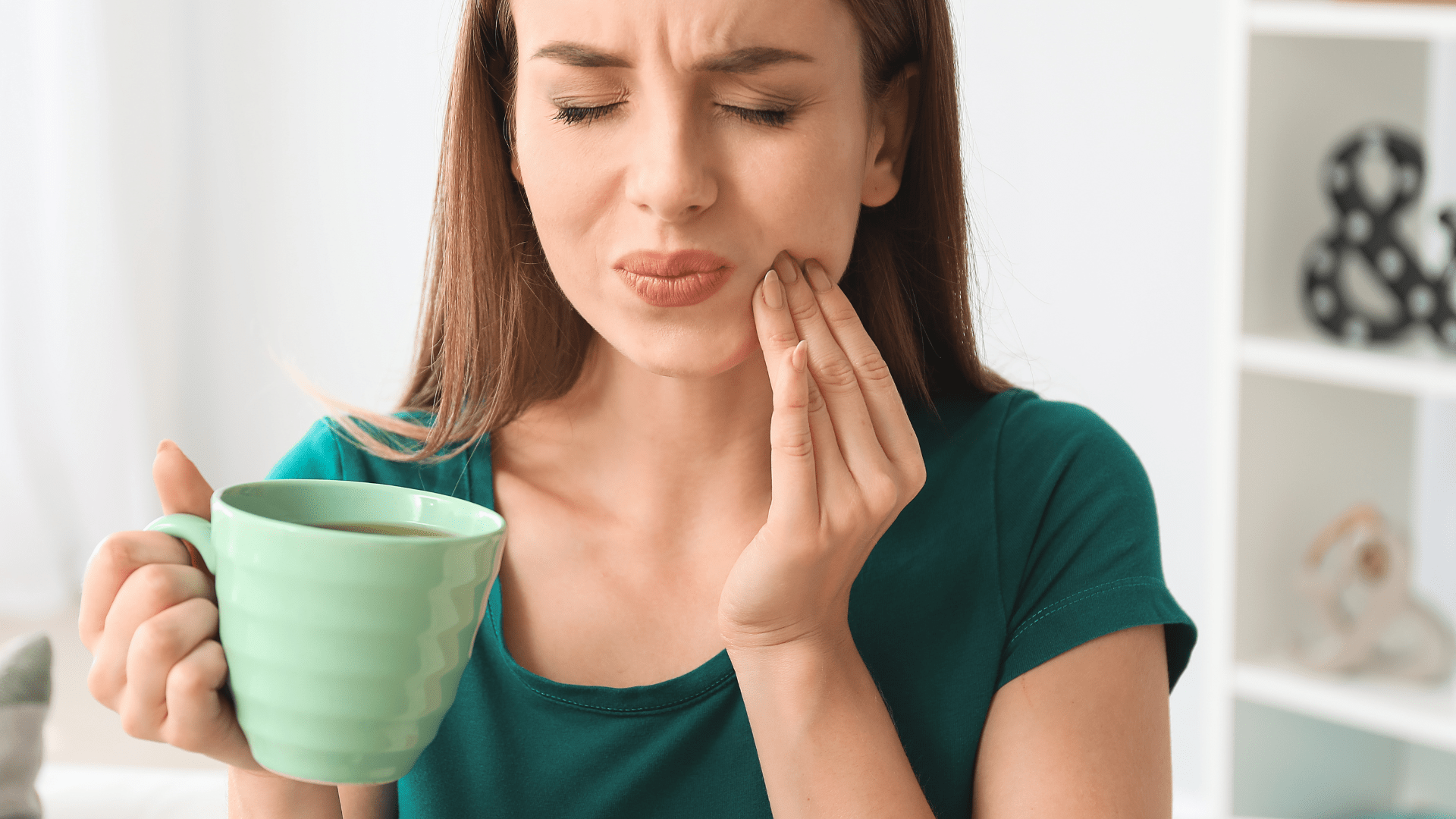
The crisp air of fall in Indianapolis and Zionsville brings colorful leaves, cozy sweaters, and seasonal treats. But for many adults, the shift in temperature also brings something less enjoyable: a sharp sting of tooth sensitivity. Whether it’s sipping hot cider, breathing in cold air on a brisk morning, or biting into Halloween candy, sudden discomfort can be a frustrating part of the season. Tooth sensitivity affects nearly 1 in 3 adults worldwide according to the American Dental Association, making it one of the most common oral health complaints.
At Isaacs Family Dental, we see many patients with concerns about tooth sensitivity in cold weather. The good news is that sensitivity doesn’t have to hold you back from enjoying your favorite fall moments. With proper care and preventive steps, you can manage symptoms and keep your smile comfortable throughout the season.
Don’t let fall sensitivity spoil the season. Book an Exam and Cleaning with our team today and get proactive solutions to protect your teeth from seasonal discomfort.
Managing Increased Tooth Sensitivity As Temperatures Drop
Tooth sensitivity happens when the protective enamel on your teeth wears down, exposing the softer dentin layer underneath. Tiny tubules in dentin connect to the nerves inside your tooth, so when enamel is thinner, sensations like cold air or hot drinks travel quickly to the nerves and cause sharp pain.
Cold weather makes sensitivity more noticeable for a few reasons:
- Temperature swings: Moving from heated indoor air to chilly outdoor air can stress the enamel.
- Seasonal foods and drinks, such as hot cider, coffee, and holiday sweets, contribute to the risk.
- Dry air: The reduced saliva in drier fall air can compromise natural protection for the enamel.
For many patients, the combination of weather changes and seasonal habits creates a spike in discomfort.
Common Triggers Of Seasonal Sensitivity
You may notice discomfort during a fall when:
- Drinking hot beverages like coffee or tea.
- Eating Halloween candy, caramel apples, or pumpkin pie.
- Stepping outside into cold air and inhaling through your mouth.
- Brushing teeth if gums are receding or inflamed.
These sharp sensations are a signal that your teeth need attention, not something to ignore until winter passes.
Fall Dental Sensitivity Tips You Can Use At Home
While professional care is essential, there are daily steps you can take to alleviate discomfort. Here are some practical fall dental sensitivity tips:
- Switch to a sensitivity toothpaste – Look for products with potassium nitrate or stannous fluoride to block nerve signals.
- Use a soft-bristled toothbrush – Brushing too hard can wear down enamel and worsen sensitivity.
- Stay hydrated – Fall air can be drying, so drink plenty of water to support saliva production.
- Limit acidic foods and drinks – Citrus, soda, and wine can erode enamel.
- Warm up drinks – Avoid extremes by letting beverages cool slightly before sipping.
When To See A Dentist About Tooth Sensitivity
Mild sensitivity that improves with changes in toothpaste can sometimes be managed at home. But persistent or worsening pain means it’s time to schedule a visit. Sensitivity may be a sign of:
- Worn enamel from grinding or acidic diets.
- Gum recession exposing tooth roots.
- Untreated cavities.
- Cracked or chipped teeth.
- Old fillings or crowns that need replacement.
At Isaacs Family Dental, we can pinpoint the cause of your sensitivity and recommend solutions like fluoride varnishes, bonding treatments, or protective sealants. In some cases, sensitivity may be an early warning sign of more serious conditions, so timely care matters.
Fall Is The Perfect Time For Preventive Care
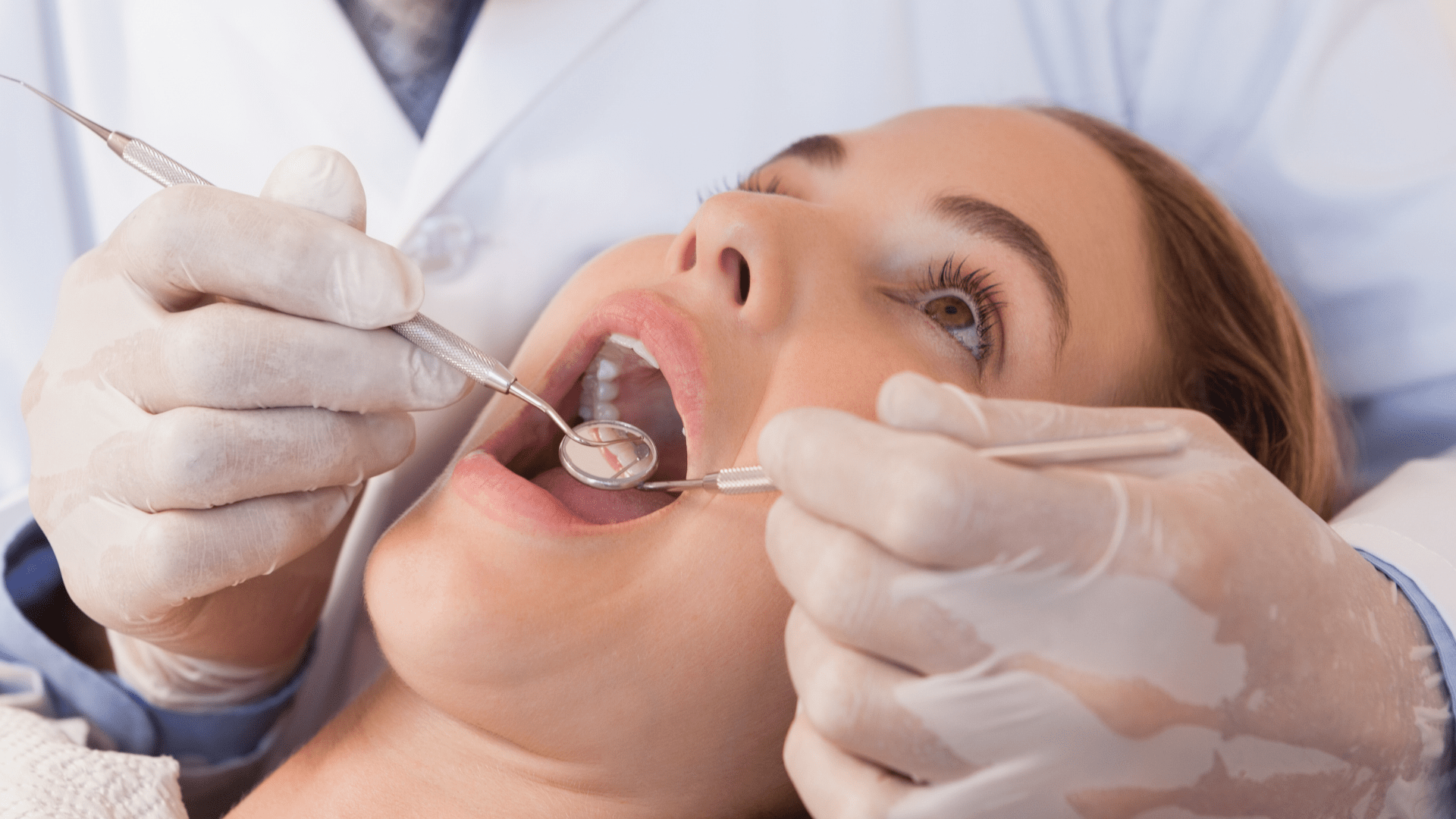 As the year winds down, fall is a smart time to schedule your next appointment. An Exam and Cleaning not only helps relieve sensitivity but also ensures you maximize dental benefits before they reset in January.
For patients dealing with ongoing sensitivity, we may recommend:
- Fluoride treatments to strengthen enamel.
- Dental sealants for added protection.
- Nightguards are used if grinding or clenching is contributing to enamel wear.
- Restorative treatments for cavities or cracks causing sensitivity.
Addressing sensitivity now means you’ll head into winter and the holiday season without painful surprises.
Enjoy Every Season Without Tooth Sensitivity
Patients in Indianapolis and Zionsville trust us for personalized, preventive care that adapts to seasonal needs. Our approach includes:
- Comprehensive exams that look beyond symptoms to uncover the root cause of sensitivity.
- Gentle cleanings that reduce inflammation without adding discomfort.
- Tailored recommendations based on your habits, diet, and lifestyle.
- Local convenience with offices in both Indianapolis and Zionsville for easy schedulin
Every season should be enjoyed without dental pain. That’s why we’re committed to providing patients with tools and treatments that help keep sensitivity under control year-round.
Building Better Habits Beyond Fall
Fall is often the season when minor dental issues become more noticeable, but long-term comfort comes from consistent habits. Protect your teeth all year by:
- Brushing gently twice a day with fluoride toothpaste.
- Flossing daily to keep gums healthy.
- Use a mouthguard if you grind your teeth at night.
- Scheduling checkups every six months.
- Watch for new triggers, such as cold air or sugary snacks.
These habits, paired with professional care, mean that tooth sensitivity won’t disrupt your routines, no matter the season.
Take Control Of Sensitivity Before Winter Arrives
Tooth sensitivity in cold weather doesn’t have to hold you back from enjoying fall traditions. With proactive care and professional guidance, you can enjoy every sip of cider, every holiday meal, and every crisp autumn walk without wincing.
Take control of your dental comfort today. Schedule a fall Exam and cleaning with us, and let our team help you manage sensitivity before winter begins.