Maintaining strong, healthy teeth begins with a daily habit that many of us overlook. Brushing is often done in a rush, without proper technique, or skipped altogether, and over time these small mistakes can add up to bigger issues such as tooth decay, gum disease, and unnecessary dental visits. At Isaacs Family Dental, we believe that excellent dental health starts at home, so alongside expert care for the whole family, we like to share practical tips that support your daily oral health routine.
Whether you're trying to improve your own routine or help your child develop better brushing habits, the good news is that small, consistent changes can have a big impact. Here are five simple, proven ways to turn brushing into a reliable habit that supports a lifetime of healthy smiles.
Step 1 – Set the Right Routine to Build Consistency
The foundation of healthy brushing starts with timing and frequency. A few tips to help build your routine:
- Brush your teeth twice a day, once in the morning and once in the evening.
- Make brushing a non-negotiable part of your daily routine.
- Treat it like other daily habits, such as washing your face or getting dressed.
- Consistency is key — brushing should become automatic over time.
For children:
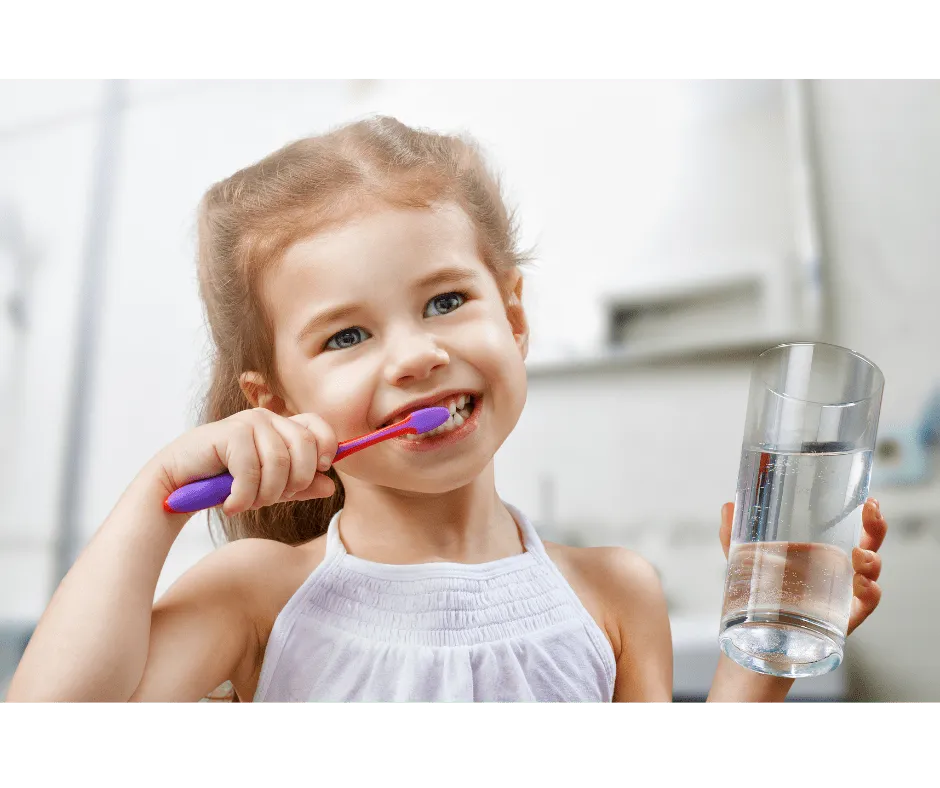
- Establish a routine by brushing at the same time each day.
- Make brushing a fun ritual to keep kids engaged.
- Let them choose their toothbrush color to build excitement.
- Play a two-minute song to guide and time the process.
A consistent, enjoyable pattern helps children build healthy brushing habits that last a lifetime.
Step 2 – Choose the Right Tools for Effective Cleaning
Not all toothbrushes are created equal, and using the right tools makes a big difference in how well you clean your teeth. We frequently see patients with worn-out or ineffective toothbrushes that fail to remove plaque and can irritate the gums. Here's what to look for in your brushing gear:
- Soft-bristled toothbrush to protect enamel and gums.
- Fluoride toothpaste to strengthen enamel and fight cavities.
- Electric toothbrush for enhanced cleaning and easier use, especially for kids or seniors.
Replace your toothbrush every three to four months, or sooner if the bristles start to fray. For children, check their brushes more frequently, since they tend to wear them out faster. Proper tools make brushing not only more effective, but more comfortable and enjoyable too.
Step 3 – Use Proper Brushing Technique for a Cleaner Mouth
Technique matters just as much as frequency. Brushing too hard, missing areas, or rushing through the process can leave harmful plaque and bacteria behind — many people are surprised to learn they've been brushing incorrectly for years. Follow these tips for a cleaner, healthier mouth:
- Brush for a full two minutes.
- Use small, gentle, circular motions.
- Tilt the brush at a 45-degree angle to the gumline.
- Cover all surfaces, including the front, back, and chewing sides of every tooth.
- Don't forget the tongue, which harbors bacteria and causes bad breath.
Children often need help learning proper technique. Parents should supervise and assist with brushing until kids can do it confidently on their own, typically around age 7 or 8. We enjoy teaching children how to brush correctly during checkups, with hands-on demonstrations that help build their confidence.
Step 4 – Avoid Common Brushing Mistakes That Can Harm Your Teeth
Even well-meaning routines can include habits that undermine your efforts. Some of the most common brushing mistakes we see in our practice include:
- Brushing too aggressively, which can wear down enamel and irritate the gums.
- Using a brush that's too hard or too old.
- Skipping brushing at night, which leaves food and plaque to sit overnight.
- Rinsing immediately after brushing, which washes away the fluoride too soon.
Instead of rinsing right away, try spitting out excess toothpaste and letting the fluoride stay on your teeth longer. You can rinse later with a fluoride mouthwash for added protection. These small changes can make a real difference in maintaining your teeth's strength between visits.
Step 5 – Pair Brushing With Regular Dental Care for Best Results
Good brushing habits are your first line of defense, but they work best when combined with regular professional dental care. Cleanings, checkups, and early detection of problems are essential for a healthy smile. Routine cleanings, fluoride treatments, and personalized coaching on brushing technique all support the work you're already doing at home.
We work with both adults and children to create customized care plans that fit their lifestyle and goals. When brushing is done well at home and combined with preventive dental care, you're far more likely to avoid cavities, gum disease, and costly procedures down the road.
Teach Kids to Love Brushing for Life
As a parent, you play a critical role in shaping your child's dental habits. The earlier you start, the easier it is to create routines that stick. Children thrive on encouragement and structure, and making oral care fun is key. A few ways to help your child build brushing confidence:
- Create a reward chart for consistent brushing.
- Brush together so your child can watch and learn.
- Let them choose their own toothbrush and toothpaste.
- Visit the dentist regularly to reinforce the importance of dental health.
Why Daily Brushing Might Be the Most Important Thing You Do Today
It's easy to overlook the power of brushing when life gets busy, but taking just a few minutes each day to brush properly can prevent painful problems and keep your smile bright for years to come. Poor brushing habits don't just affect your teeth — they can lead to bad breath, gum infections, and even impact your overall health.
Good habits are a form of self-care, and when established early, they become second nature. Whether you're brushing for yourself or teaching your kids, every small effort adds up to better health and confidence.
One Small Step to a Lifetime of Better Oral Health
Improving your brushing habits doesn't have to be overwhelming, especially with a trusted dental partner by your side. Whether you're just starting to build better habits or noticing signs of trouble like bleeding gums or persistent bad breath, small, consistent steps make all the difference. It all starts with a good routine at home, and a smile that lasts a lifetime is well within reach.