
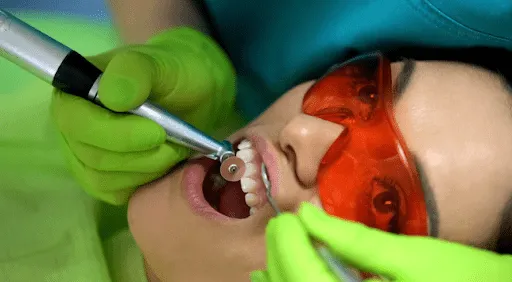
A chipped tooth is a common dental issue that can occur unexpectedly and leave you wondering what your next steps should be. A chipped tooth can be distressing whether it's from biting into something hard, an accidental fall, or even gradual wear and tear. It might seem like a small issue at first, but if left untreated, it can lead to further complications such as tooth decay, infection, or even more severe damage to your tooth. The good news is that a dentist can easily fix a chipped tooth, and there are several repair options available depending on the severity of the damage.
Ignoring a Chipped Tooth? It Can Cause More Damage Over Time
A chipped tooth may seem like a cosmetic problem, but it can quickly lead to more serious dental concerns if not repaired. Even small chips can affect the structure and integrity of your tooth. If a large piece of the tooth breaks off or the chip exposes the sensitive inner layers of the tooth (such as the pulp or nerves), it can cause pain, sensitivity, and a higher risk of infection.
Chipping can also make the tooth more vulnerable to further damage, like cracks or fractures.
Even if you're not experiencing pain, seeking professional care for a chipped tooth is essential. A dentist can evaluate the severity of the chip, determine if the tooth is at risk of further damage, and recommend the appropriate repair options to restore the tooth's appearance and function.
Repairing Your Smile: How Dentists Fix Chipped Teeth
There are a variety of methods that a dentist can use to fix a chipped tooth, depending on the extent of the damage. Let's take a closer look at some of the most common repair options:
Dental Bonding
One of the most common and cost-effective ways to repair a chipped tooth is through dental bonding. Dental bonding involves applying a tooth-colored composite resin to the chipped area, which is then shaped and smoothed to match the natural contour of the tooth. The resin is hardened using a special light, and the process is quick, usually completed in a single visit.
This method is ideal for small to moderate chips and offers both aesthetic and functional benefits. Dental bonding is a great option for front teeth where the chip is visible, as the resin can be easily customized to blend in with the natural color of your teeth. Additionally, dental bonding is a relatively affordable solution compared to other methods.
Porcelain Veneers
For more significant chips that affect the front surface of the tooth, porcelain veneers may be the best option. Veneers are thin, custom-made shells covering the tooth's front, hiding the chip and providing a natural, beautiful appearance. Porcelain veneers are highly durable and stain-resistant, making them a long-lasting solution for chipped teeth.
This option requires two visits: the first visit involves taking impressions of the tooth and preparing it for the veneer, and the second visit is when the veneer is placed and bonded to the tooth. While porcelain veneers are more expensive than dental bonding, they are an excellent choice for individuals who want a more permanent and aesthetically pleasing solution for a chipped tooth.
Dental Crowns
If the chip is extensive and has compromised the structure of the tooth, a dental crown may be necessary. A dental crown is a cap that covers the entire tooth, restoring its shape, strength, and function. Crowns are made from durable materials such as porcelain, metal, or a combination of both, and they provide long-term protection for a severely damaged tooth.
At Isaacs Family Dental, we offer the convenience of same-day crowns. With our advanced technology, we can create and place your custom crown in a single visit, so there's no need for temporary crowns or a second appointment.
Dental Implants
In some cases, a chipped tooth may be so severely damaged that it cannot be repaired with bonding, veneers, or crowns. If the tooth is beyond saving, the dentist may recommend a dental implant. A dental implant is a permanent replacement for the natural tooth and involves surgically placing a titanium post into the jawbone, which acts as a new root for the replacement tooth.
Dental implants require a longer process, as the titanium post needs to fuse with the bone in a process called osseointegration. Once the post is fully integrated, a custom-made crown is placed on top to complete the restoration. While dental implants are an investment, they are a durable and long-lasting solution for severely damaged teeth.