Brushing your teeth is a simple yet essential practice that plays a significant role in protecting your oral health. It helps remove plaque and bacteria that can lead to cavities, gum disease, and bad breath. When done correctly, it also reduces the risk of tooth decay and promotes healthier gums. In addition to keeping your smile bright, proper brushing supports your overall health by preventing infections that can impact other areas of your body. Understanding the proper technique is key to achieving these benefits and maintaining a lifetime of oral wellness.
More Than Just Fresh Breath: The Importance of Proper Brushing
Brushing your teeth correctly is essential for removing plaque and food particles that can lead to tooth decay and gum disease. Poor brushing techniques can leave harmful bacteria behind, increasing your risk of cavities, bad breath, and other oral health issues.
The Right Tools for the Job
Having the right toothbrush and toothpaste significantly affects your oral hygiene routine. The right tools help remove plaque effectively and protect your teeth and gums from unnecessary damage. When selecting a toothbrush and toothpaste, consider your dental needs, such as sensitivity or gum health, to ensure you get the best care possible. Here's what to keep in mind:
- Toothbrush: Choose a toothbrush with soft bristles to prevent damage to your enamel and gums. A brush with a small head allows for better access to hard-to-reach areas.
- Toothpaste: Use fluoride toothpaste to strengthen enamel and fight cavities. If you have sensitive teeth, consider a toothpaste designed for sensitivity relief.
- Electric vs. Manual: Electric toothbrushes can be more effective in removing plaque, but a manual toothbrush used correctly can also do the job well. The key is in the technique.
Brushing 101: A Step-by-Step Guide to Perfecting Your Routine
Follow these steps to ensure that you are brushing your teeth effectively:
1. Position Your Toothbrush Correctly
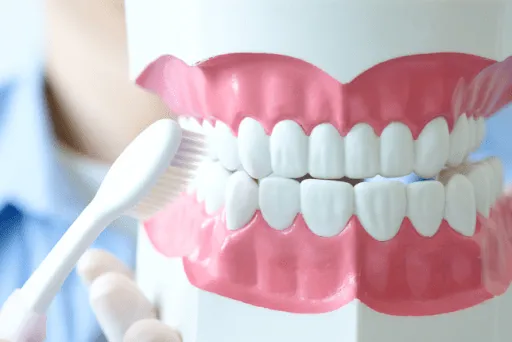
Hold your toothbrush at a 45-degree angle to your gums. This angle helps remove plaque from both the surface of your teeth and the gumline.
2. Use Gentle, Circular Motions
Avoid harsh scrubbing, which can wear down enamel and irritate your gums. Instead, use small, circular motions to clean each tooth's front, back, and top surfaces.
3. Brush for Two Full Minutes
Many people do not brush long enough. The American Dental Association (ADA) recommends brushing for two minutes, spending 30 seconds on each quadrant of your mouth. Using a timer or an electric toothbrush with a built-in timer can help you meet this guideline.
4. Pay Attention to All Areas
Brushing all surfaces of your teeth and mouth is essential to ensure a thorough cleaning. Neglecting certain areas can lead to plaque buildup, cavities, and gum disease. Here's how to effectively clean each area:
- Outer Surfaces: Brush the front surfaces of your teeth using gentle, circular motions.
- Inner Surfaces: Tilt your toothbrush vertically and use up-and-down strokes to clean the inner surfaces of your front teeth.
- Chewing Surfaces: Use back-and-forth motions to clean the tops of molars and premolars.
- Gumline: Clean along the gumline where plaque and bacteria often accumulate.
- Tongue and Roof of Mouth: Bacteria can also build up on your tongue and the roof of your mouth, so be sure to brush these areas gently to maintain fresh breath.
5. Rinse Thoroughly
After brushing, spit out the toothpaste and rinse your mouth with water or a fluoride mouthwash for extra protection against cavities.
6. Replace Your Toothbrush Regularly
Toothbrushes wear out over time and lose their effectiveness. Replace your toothbrush or brush head every 3-4 months or sooner if the bristles become frayed.
Think You're Brushing Correctly? These Mistakes Might Surprise You
Even with good intentions, many people make mistakes when brushing their teeth. Here are some common pitfalls to watch out for:
- Brushing Too Hard: Aggressive brushing can damage enamel and gums, leading to sensitivity and recession.
- Not Brushing Long Enough: Failing to brush for a full two minutes can leave plaque behind.
- Skipping Hard-to-Reach Areas: Ensure you clean the back teeth, gumline, and tongue.
- Using an Old Toothbrush: A worn-out toothbrush is less effective in cleaning your teeth.
- Brushing Immediately After Eating: Wait at least 30 minutes after consuming acidic foods or beverages to prevent enamel erosion.
Beyond Brushing: Essential Oral Care Tips for a Healthy Mouth
Brushing alone is not enough to maintain optimal oral health. Incorporate these additional habits into your routine:
- Floss Daily: Flossing removes food particles and plaque from between teeth where toothbrush bristles cannot reach.
- Use Mouthwash: Antimicrobial mouthwash helps kill bacteria and freshens breath.
- Drink Plenty of Water: Water helps rinse away food debris and neutralize acids in the mouth.
- Visit Your Dentist Regularly: Regular dental check-ups and cleanings help prevent oral health problems before they become serious.
Regular Checkups, Bigger Smiles
While daily brushing and flossing are essential, professional dental care is equally important. Regular visits allow your dentist to monitor your oral health, provide deep cleanings, and address any issues before they worsen.